Personal Language Corpus
A small corpus built from my own transcripts and exports, with provenance attached so an observation can be traced back to the passage behind it.
I write these to work out what I think, and most of the projects are things I wanted to use myself, so they sit together here.
Start here
A small corpus built from my own transcripts and exports, with provenance attached so an observation can be traced back to the passage behind it.
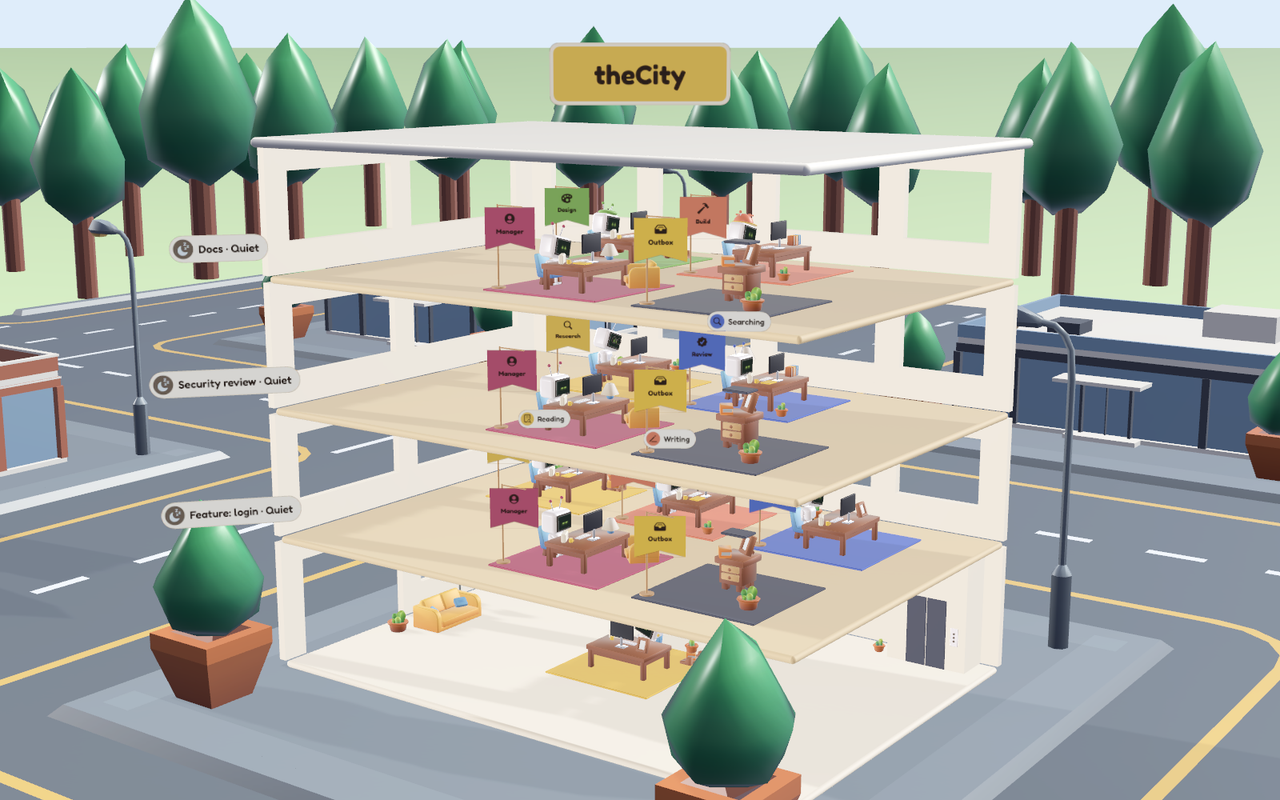
I saw AI Office showing Claude Code agents as robots at desks, and wanted something that fitted the way I work. In The City, each project folder is a building and each team has a floor of robots, so I can see which ones need me.
Source codeA narrow question about a diff can be scored, where a whole code review can't. This was a test of whether a bank of typed questions gives a usable signal.
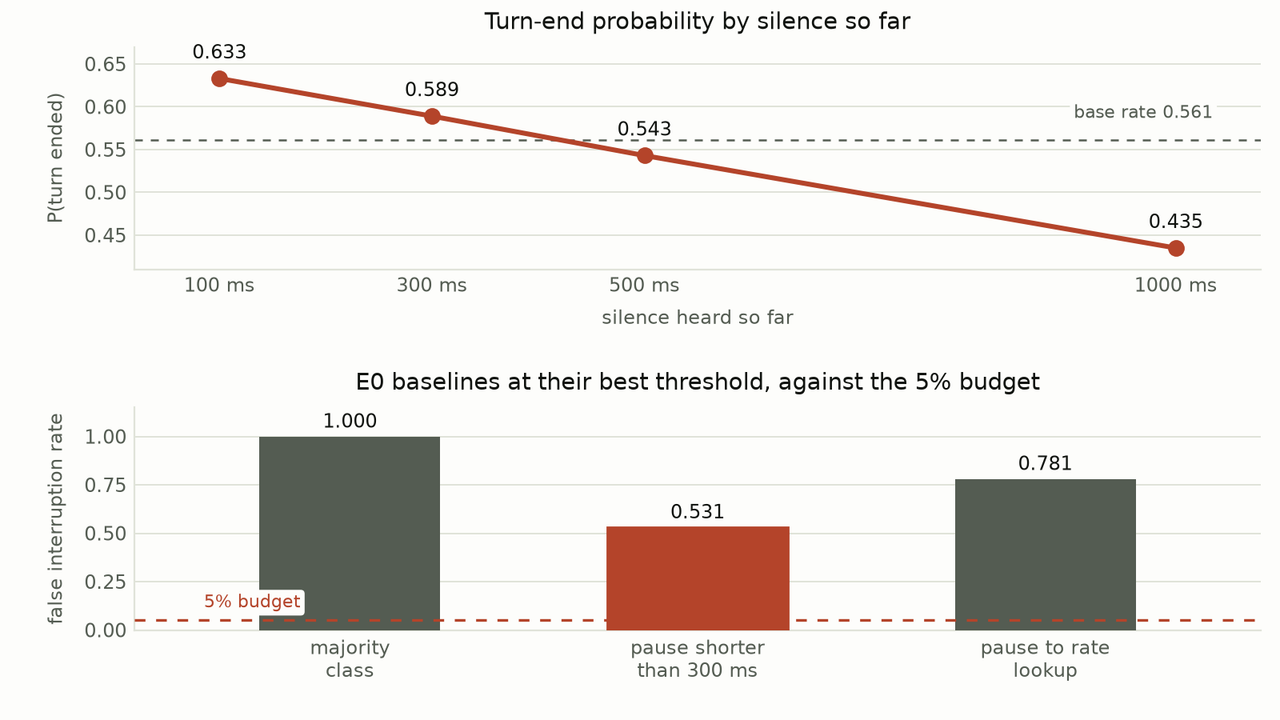
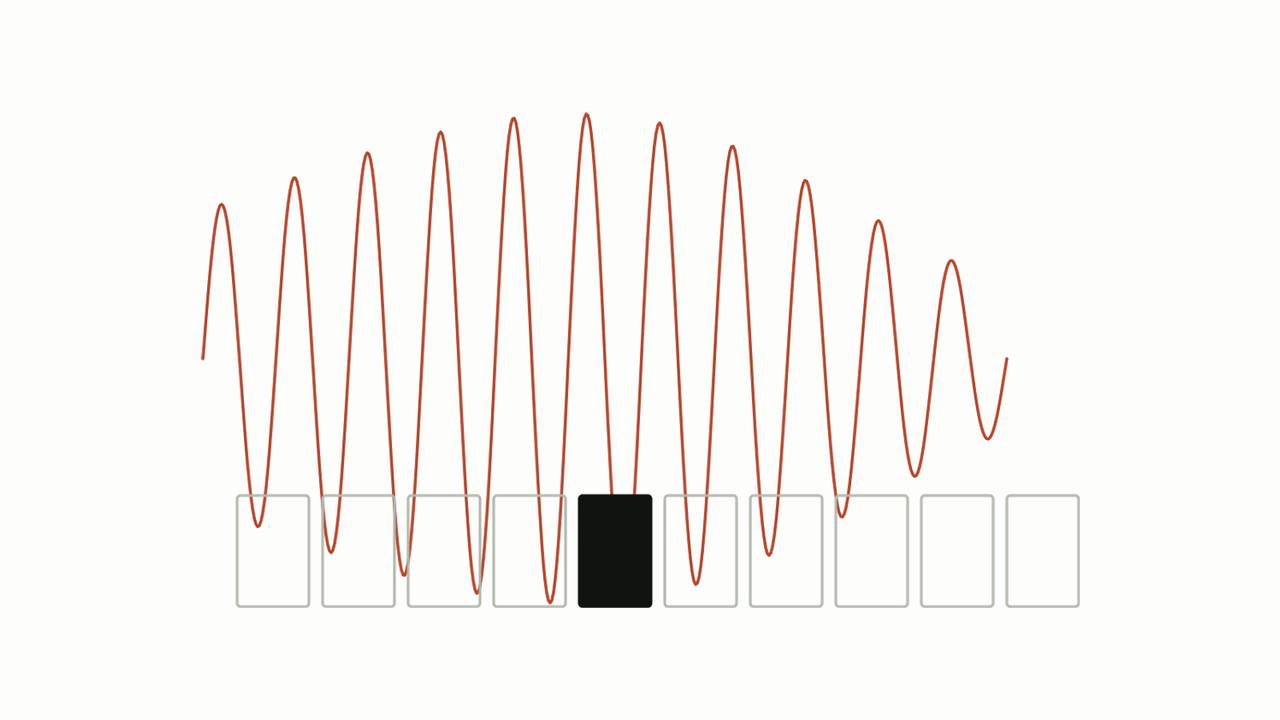
I wanted to know whether a pause means somebody has finished or is just thinking, so I built a lab around that difference.
Source codeNathan’s coaching business grew by word of mouth. His first website needed to show athletes and parents who they would be training with, and make the next step easy.
A Paper server for a few friends that sleeps when nobody's playing and wakes when somebody tries to join.
Source codeBrontë brought the design. I built the portfolio around it, with the project content in a CMS so they could keep updating it themselves.
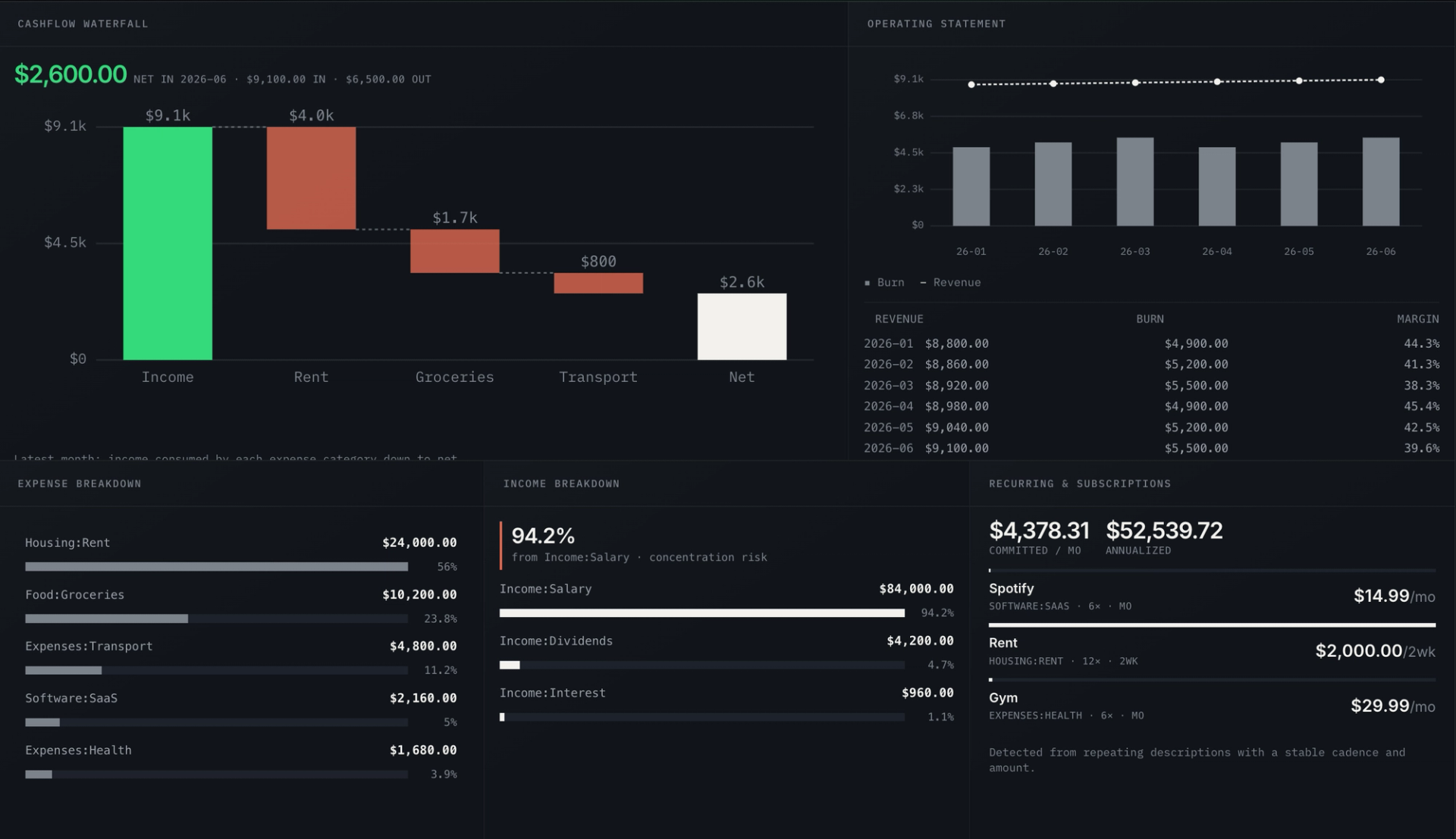
I wanted one view of what I own, owe, earn and spend. I built You Inc around a ledger, then took the accounts and billing back out so people could run it on their own machine.
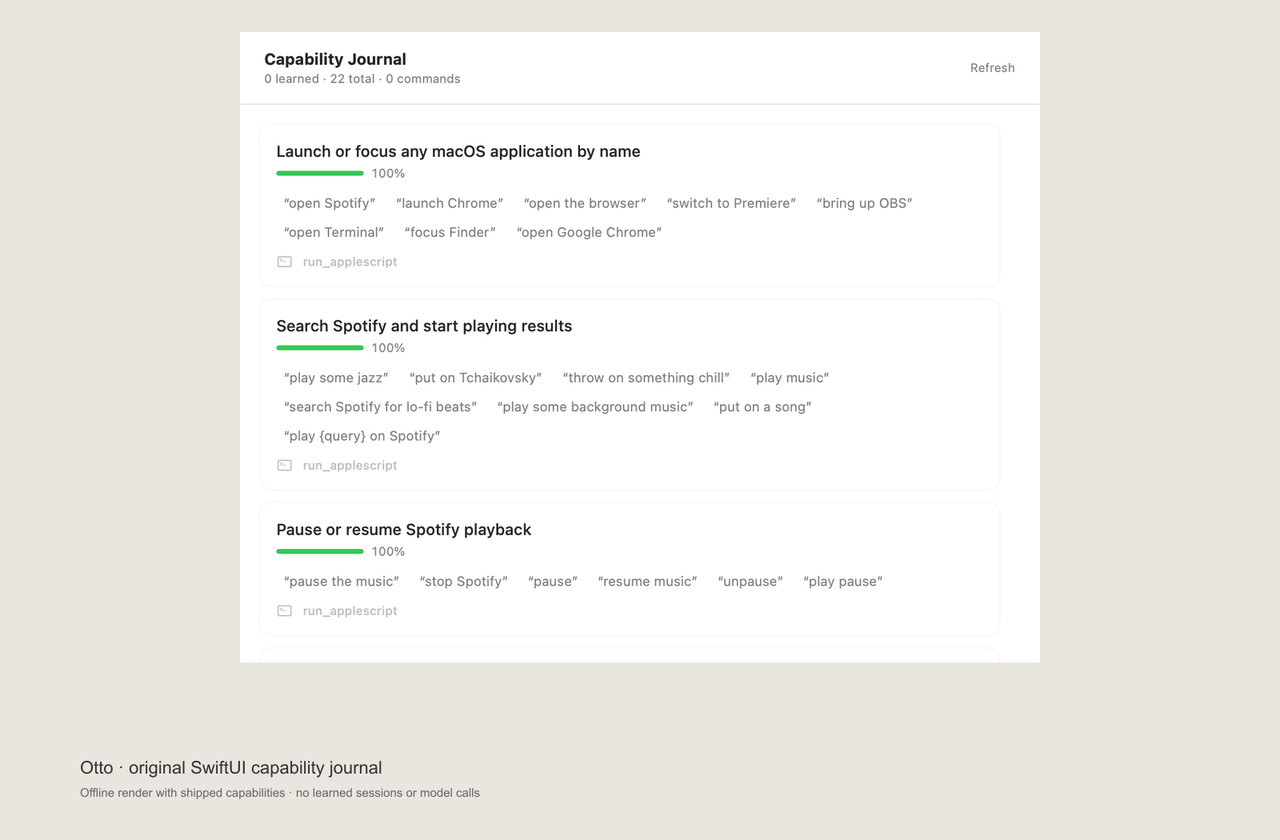
Source codeOtto is a voice and text assistant for the Mac, built as a Swift app on top of the voice-os project.
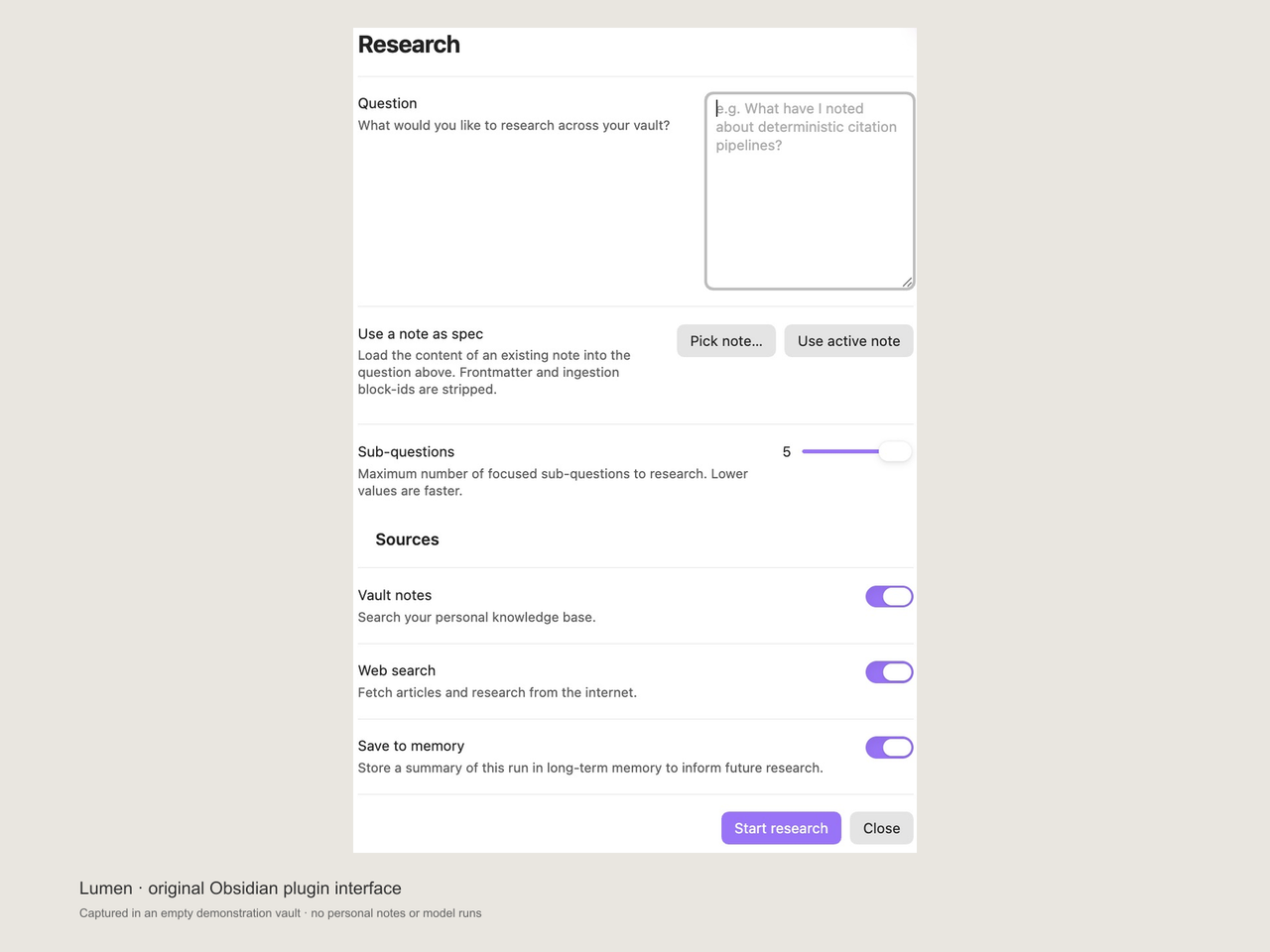
Source codeLumen connects an Obsidian vault to a local research backend, so related notes surface while you write and reports come out of what's already there.
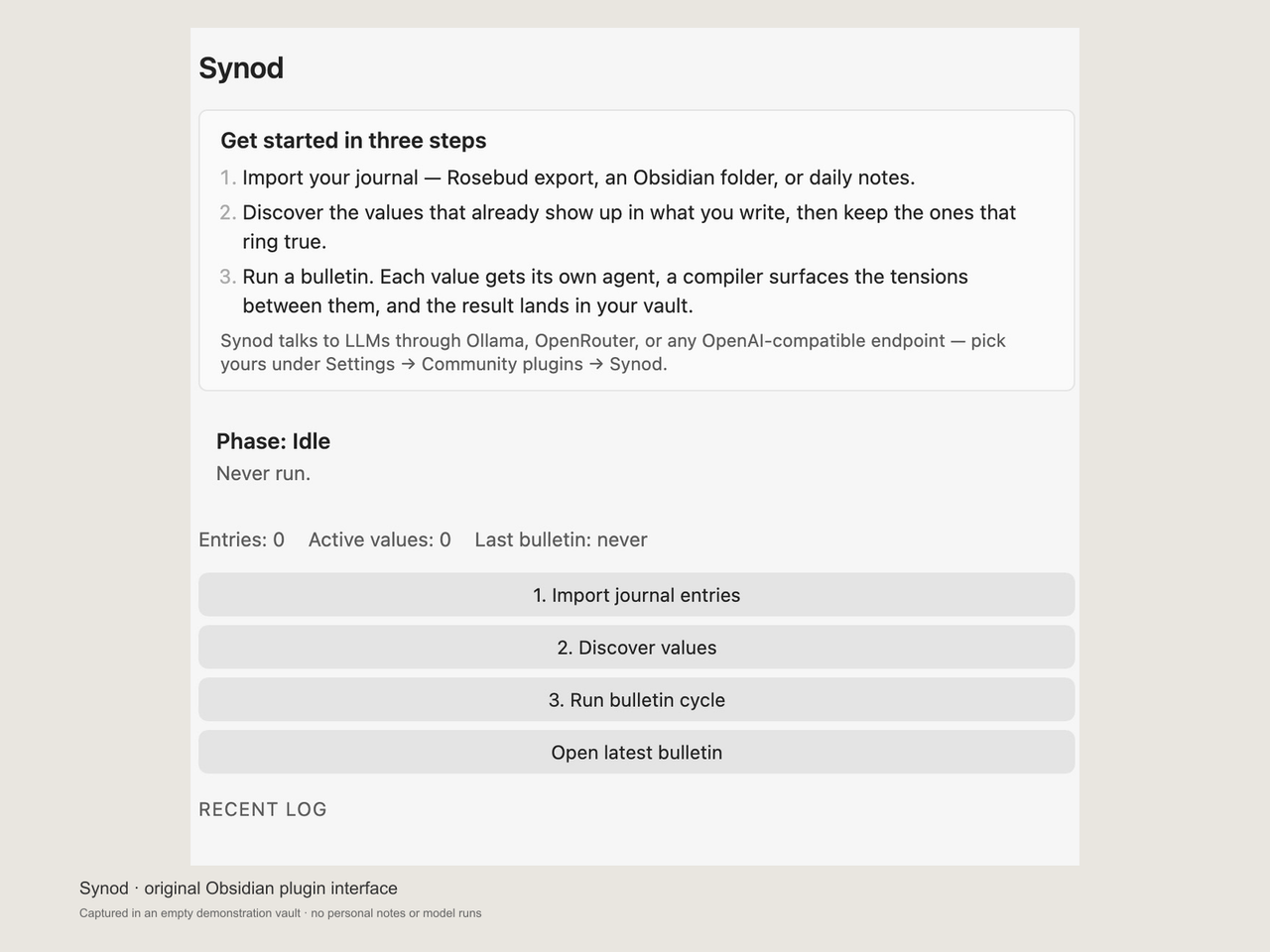
Source codeSynod reads your journal through a set of value agents and writes their disagreements back into the vault as a bulletin.
Source codeThe flat power bill, minus the server's share, split five ways. The person whose machine runs all day pays for it.
Source codeMy desktop GPU sits idle most of the day. I built a way for friends to share it for local AI and rendering, with the limits of a home machine visible.
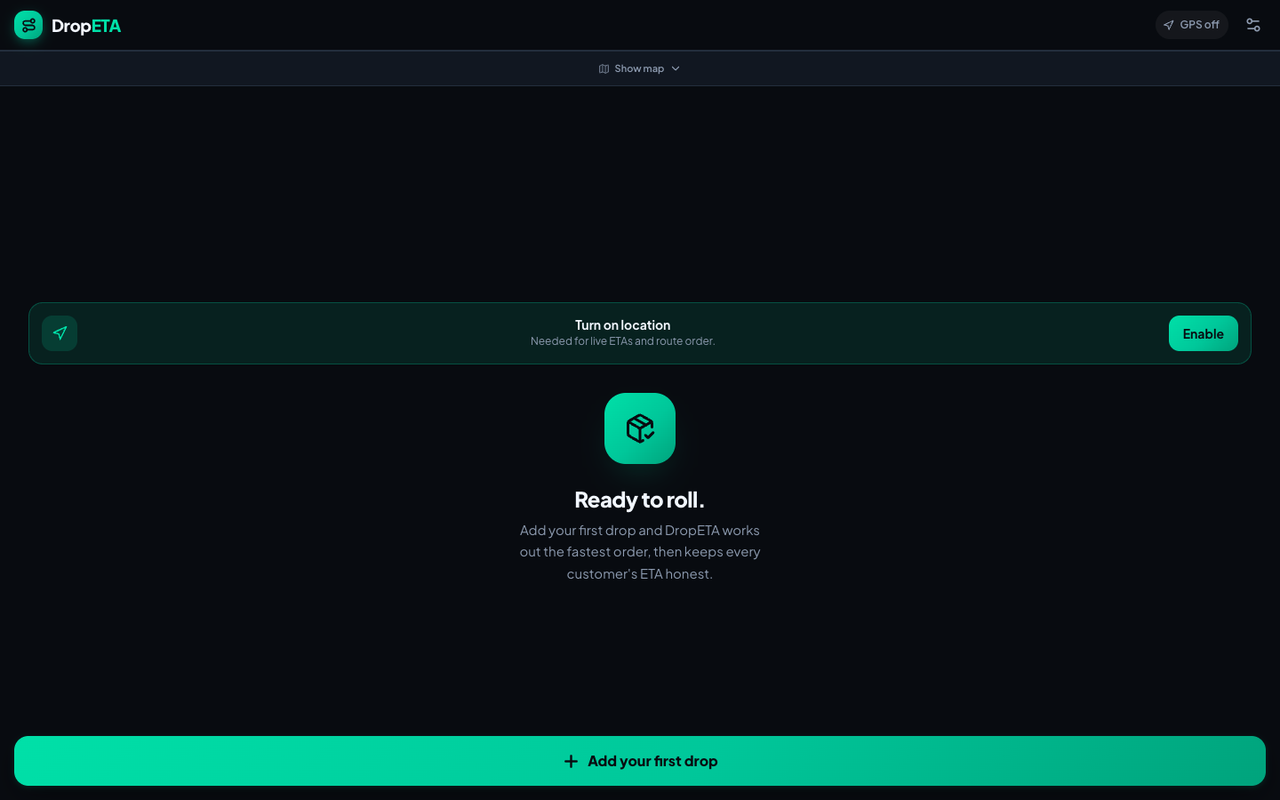
Source codeDropETA plans a run of deliveries and shows what adding one more stop does to the rest.
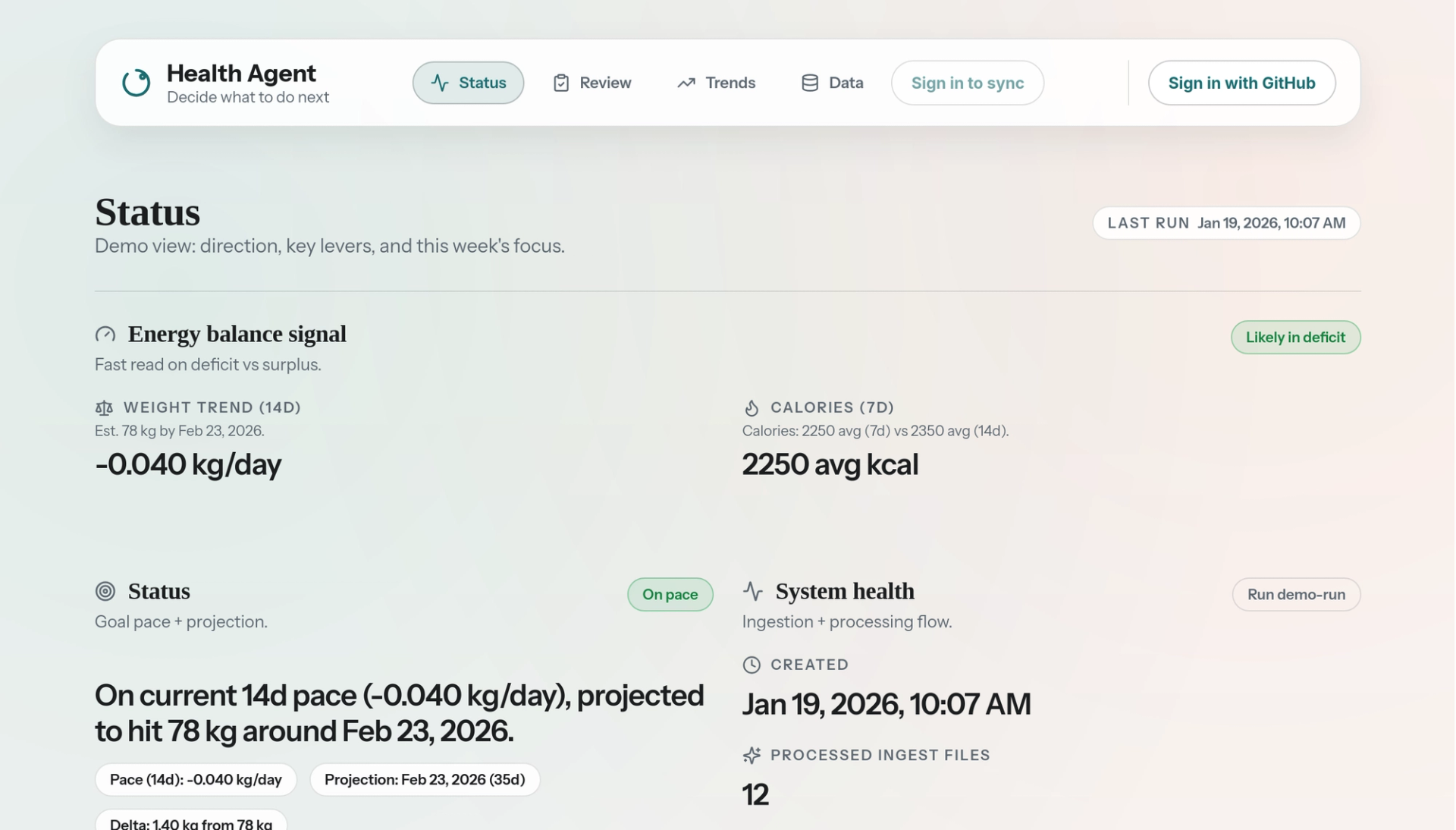
My nutrition and activity lived in different apps. I brought their Apple Health exports together so I could see the trends in one place.
Source codeI got tired of opening my phone at the same stop every morning, so the next two buses now sit on a small sign by the door.
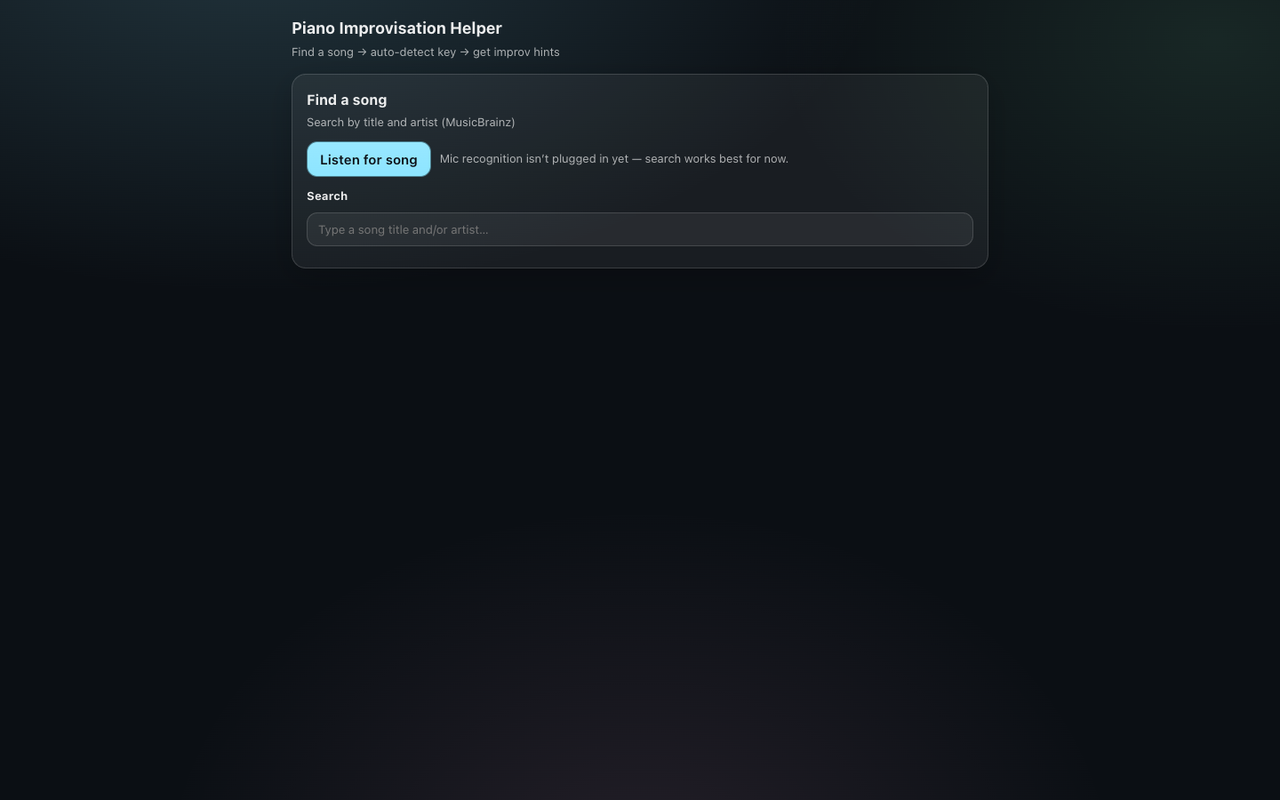
Source codeA small app for the moment you want to play along with a song and don't know what key it's in.
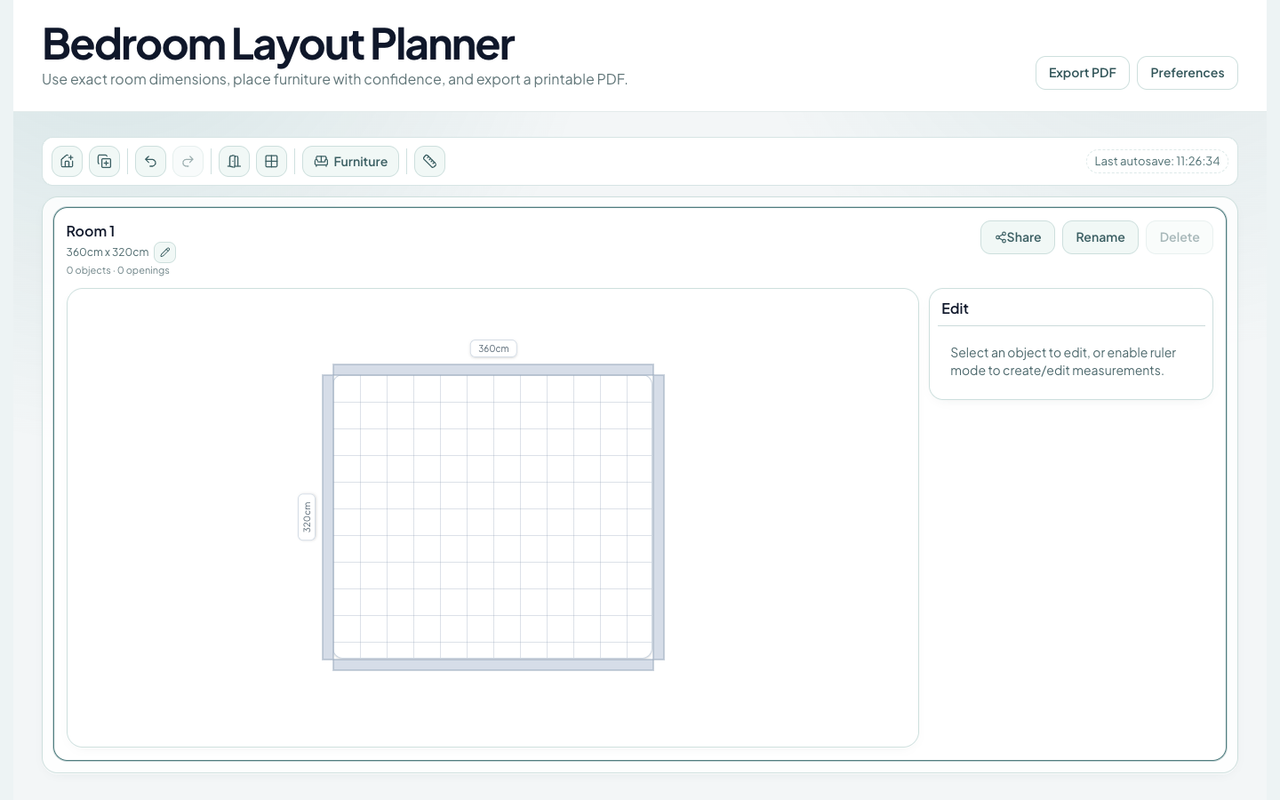
Source codeA room planner for checking whether a layout actually fits, with the room, furniture and openings all on the same scale.
Source codeA beat sequencer played with the computer keyboard, with patterns that can change while the loop runs.
Source codeA small service that keeps settled BNZ transactions in a Google Sheet, so the budget formulas already in the sheet have current data.
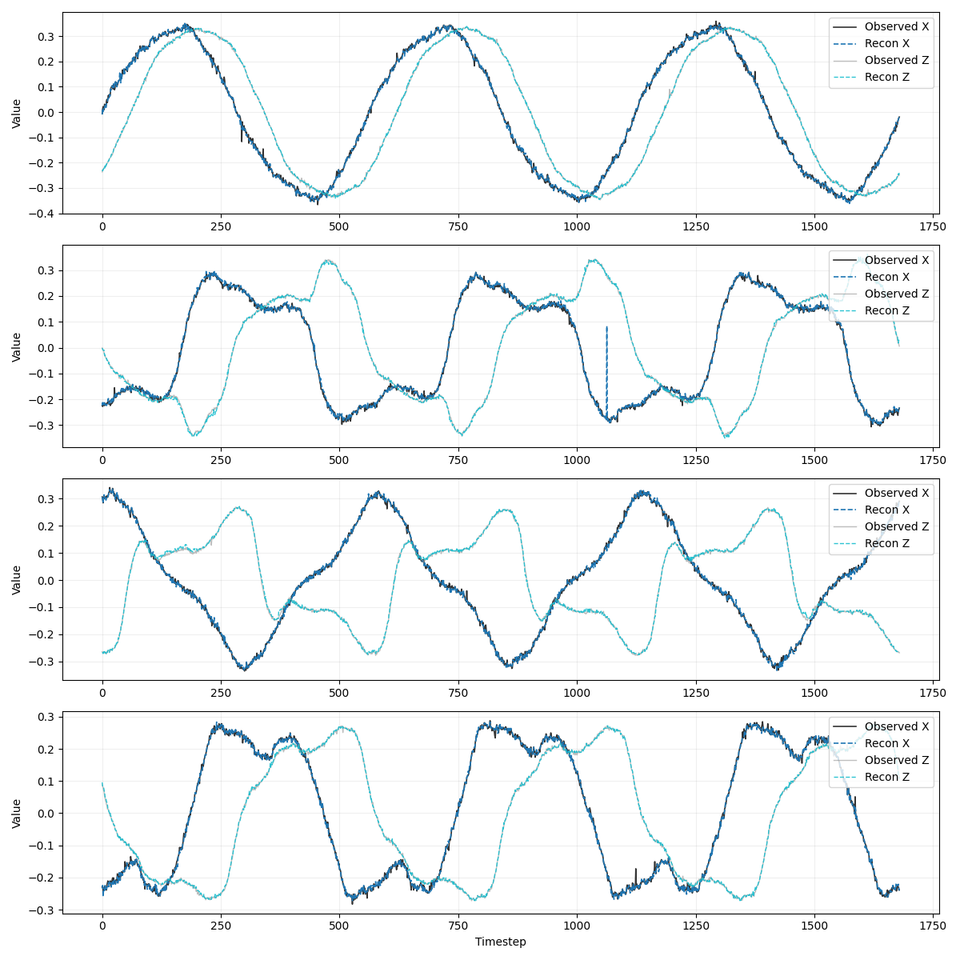
Source codeDiffusion models trained on normal magnetic-field signals, scored on whether they notice a fault they've never seen.
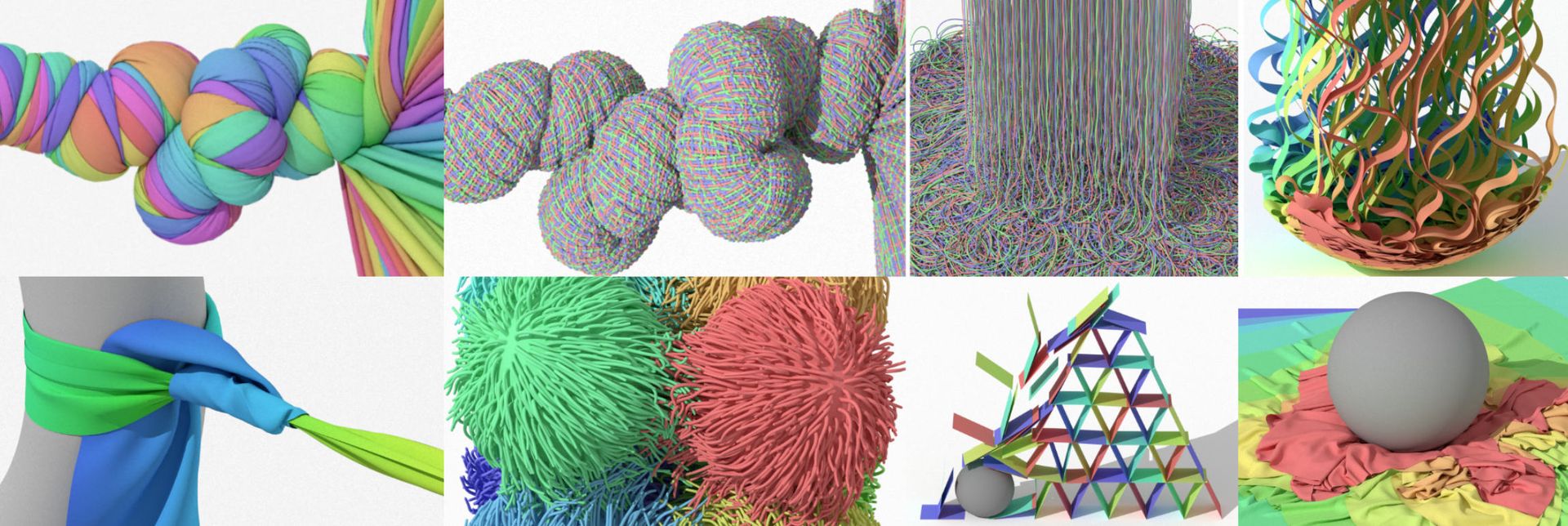
AndoSim puts the cubic barrier contact method from a 2024 paper inside Blender, so cloth and shell contacts can be simulated and looked at in the scene.
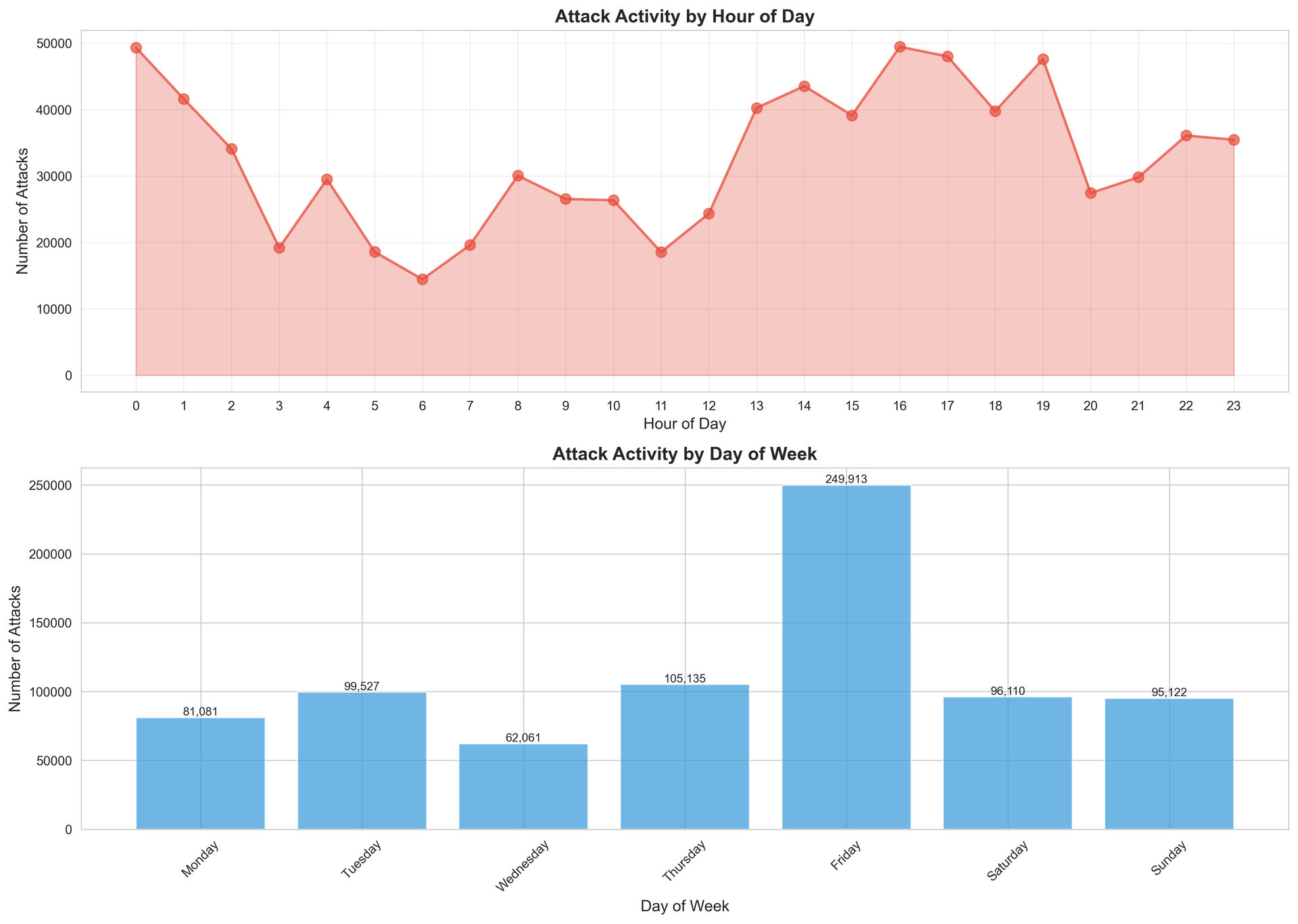
Source code480,998 events from a Cowrie honeypot, and the question was what they actually show.
What would happen if I lost the machine running my home services? I built a small server around that question, then tested a full recovery.
I used CLIP embeddings to group the images on a Pinterest board, then kept the snapshots so one month's themes could be compared with the next.
Source codeA C++ keyboard where the keys you hold change both the sound and the waveform drawn beside it.
Source codeI worked with 1.88 million US wildfire records for a university project, and got into how a model could look accurate while missing the larger fires.
TransitSync took the next event in my calendar, worked out how to get there, and told me when to leave.
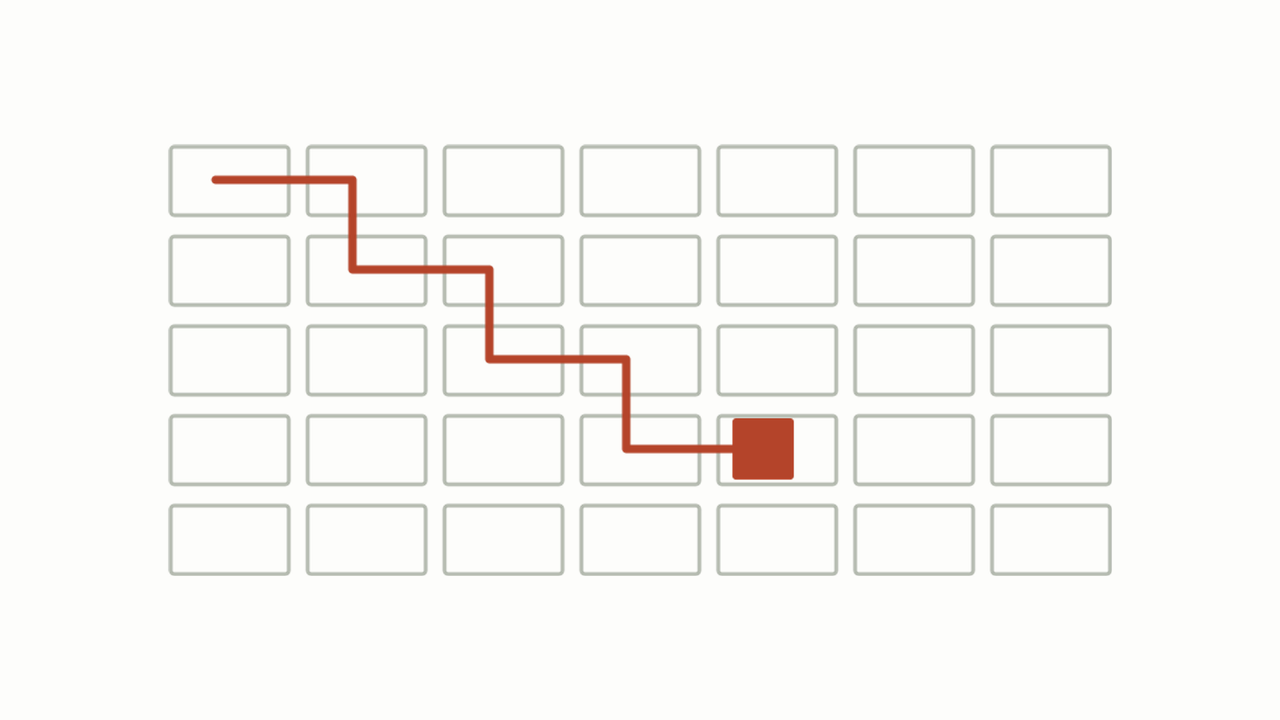
Source codeA small grid world where an agent has to find food and avoid hazards, and a neural learner works out which moves to repeat.
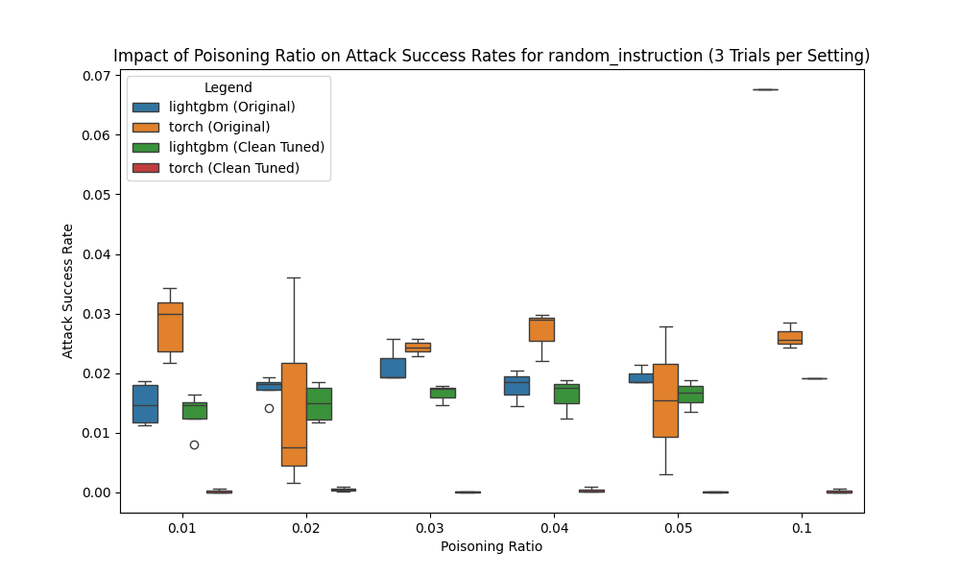
A study of what happens to a malware classifier when the training data is poisoned, keeping the clean detection rate beside the attack success rate.
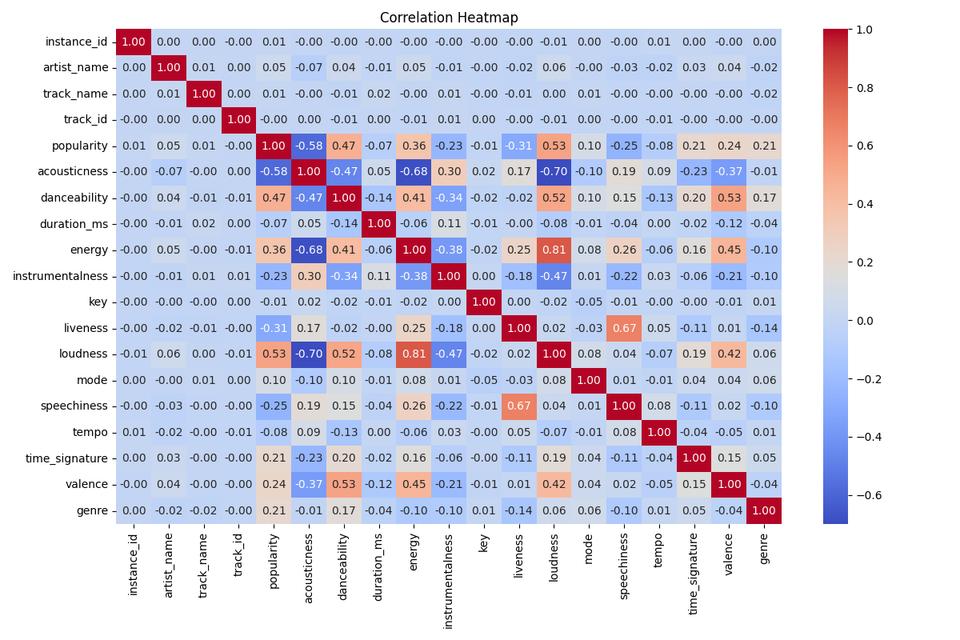
Ten genres, 5,000 tracks each, and a pipeline that spent more time on the features than on the classifier.
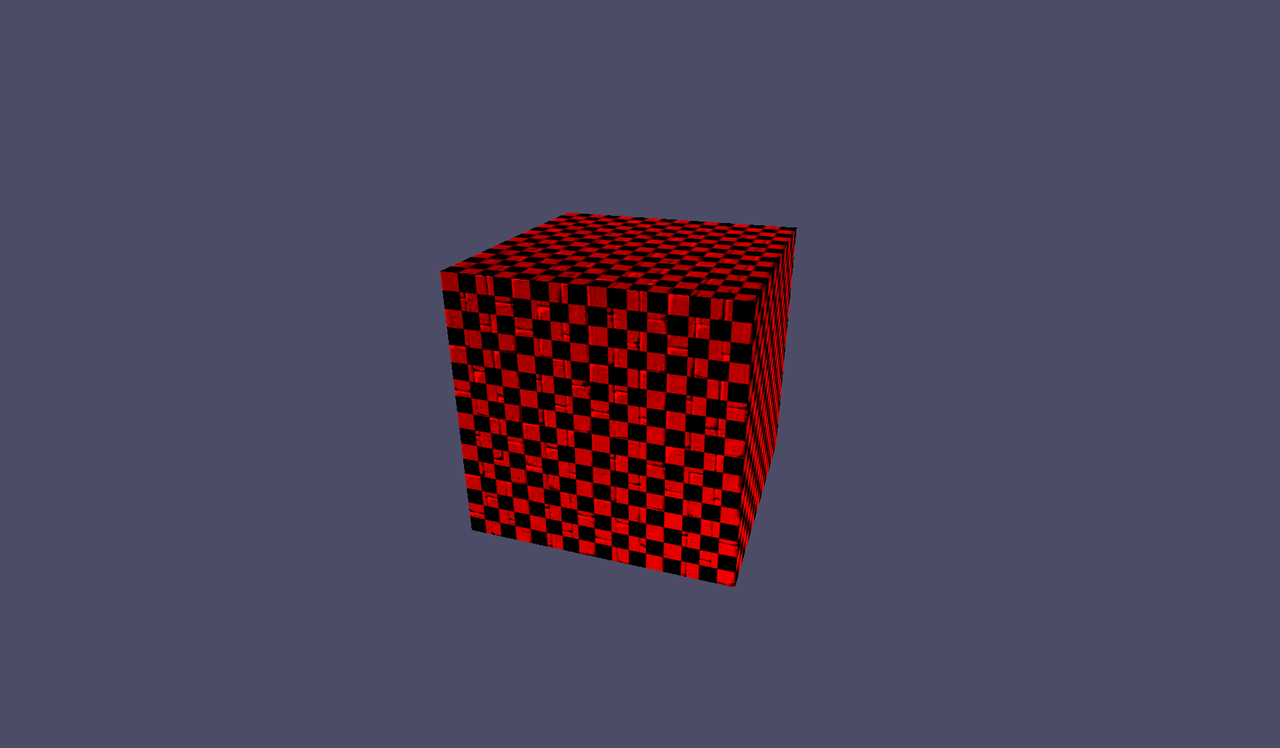
Source codeCoursework on where generated geometry and shader inputs meet in a real-time renderer.
Source codeA Blender add-on that reads floor-plan data and builds the geometry, so the plan is still editable as a scene afterwards.
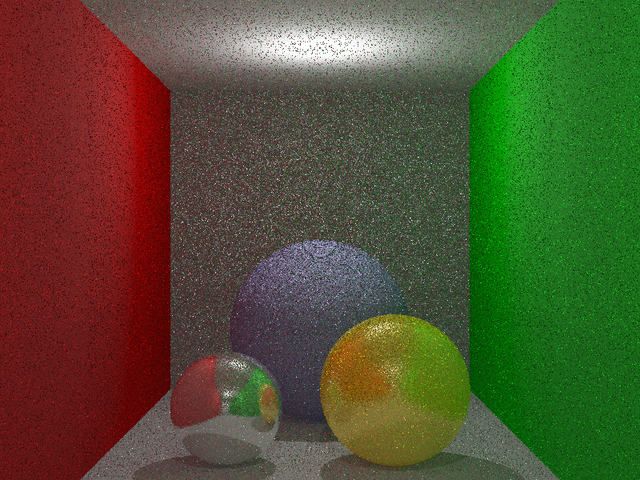
Source codeA C++ path tracer from graphics coursework, worked through the assignment stages and then a grid-based sampling variant on top.
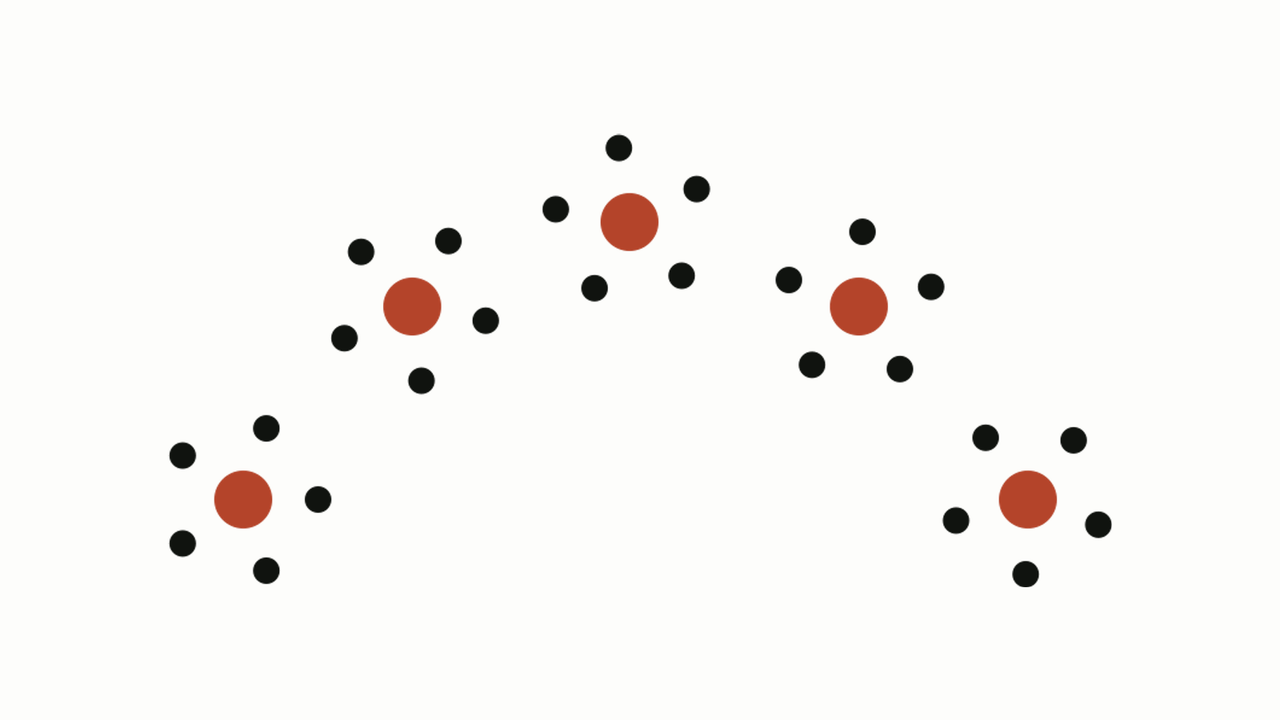
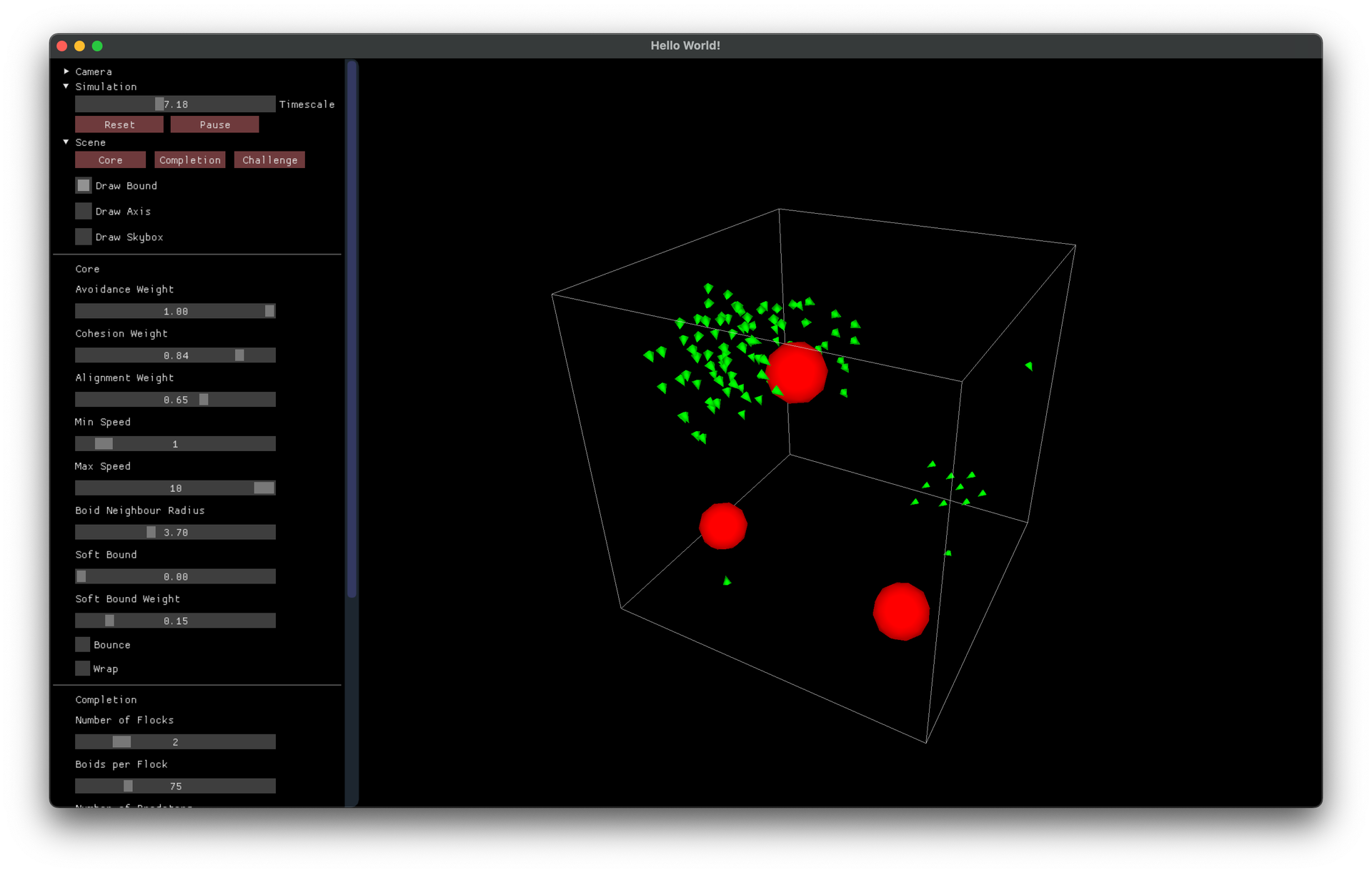
Each boid only looks at its neighbours and the obstacles close to it, and the flock is what falls out of those rules.
Source codeA birthday gallery for my dad, with family photographs arranged in a small 3D space you can walk through in the browser.
A playlist, its artists, and whatever their Wikipedia pages would say about them, turned into charts.
Source codeA wedding site for Finlay and Lani: the details, an RSVP form, and a view where they could see who was coming.
Source codeA bookshelf built in geometry nodes, kept as a blend file you can drop into an asset library.
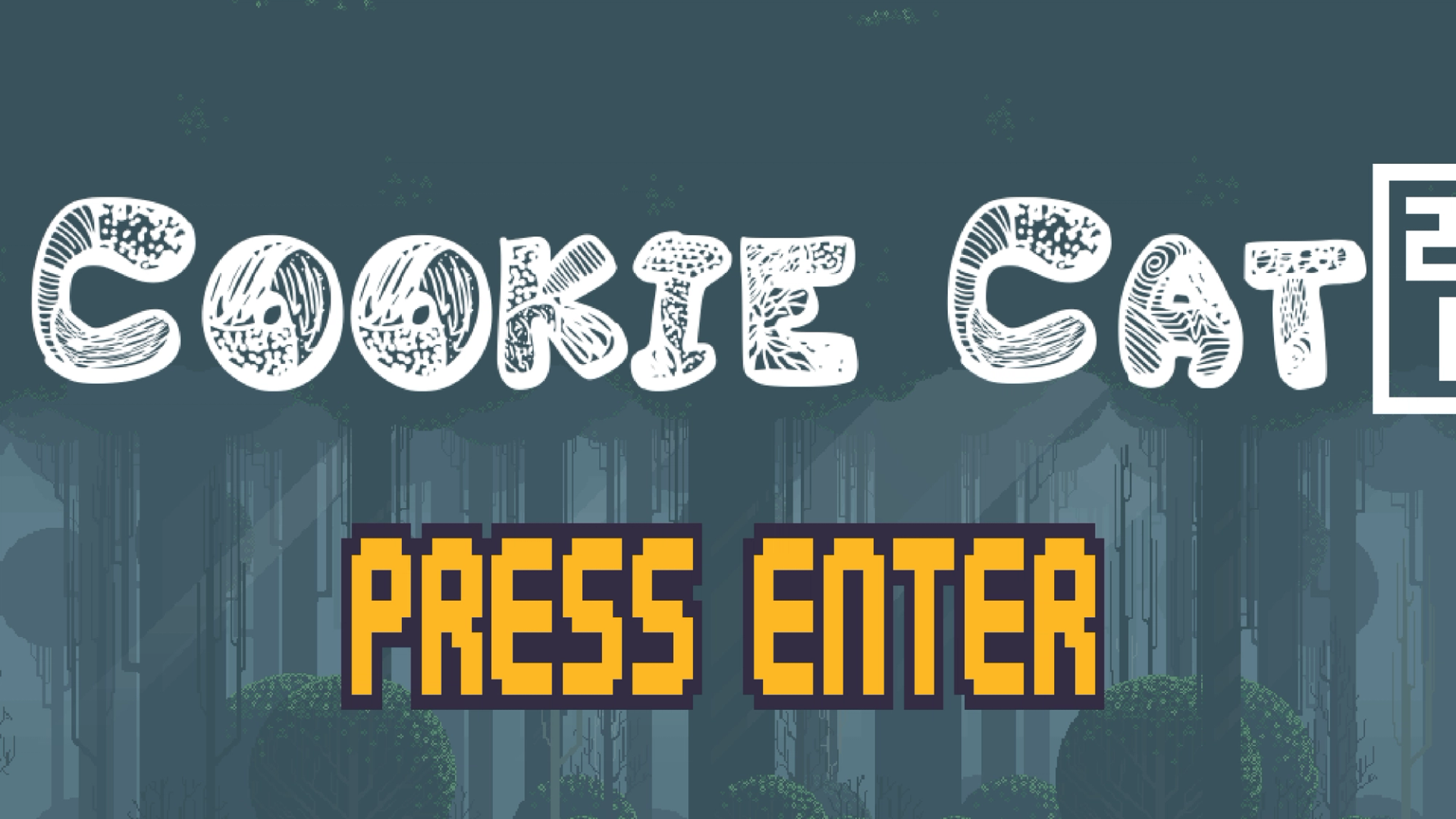
Source codeA university game project in Godot, where you jump a level that keeps generating, collect cookies, and spend them on lives and jump upgrades.
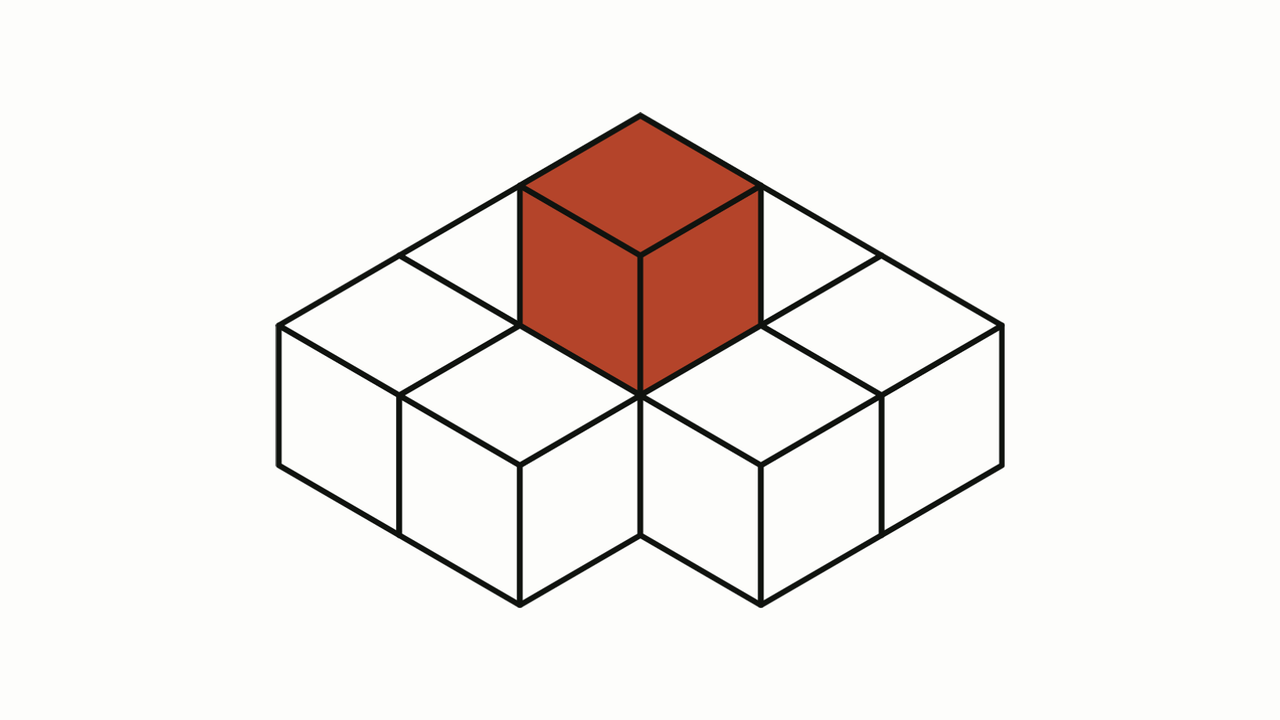
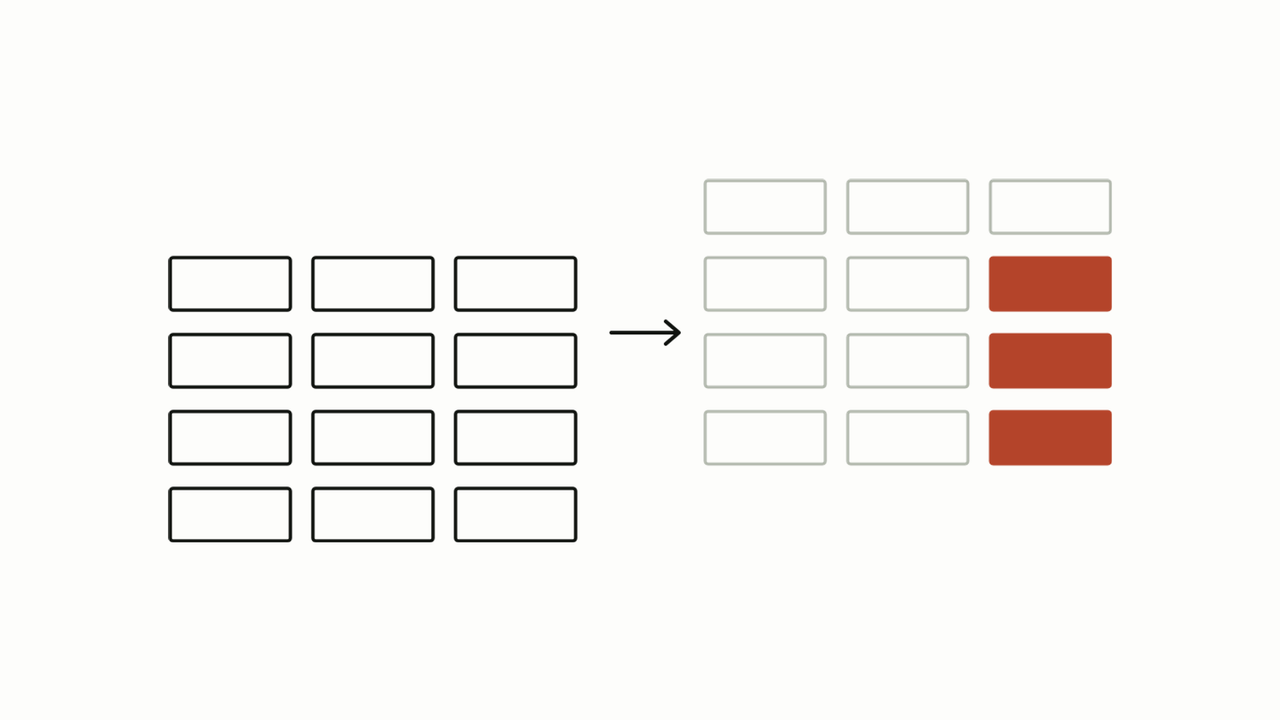
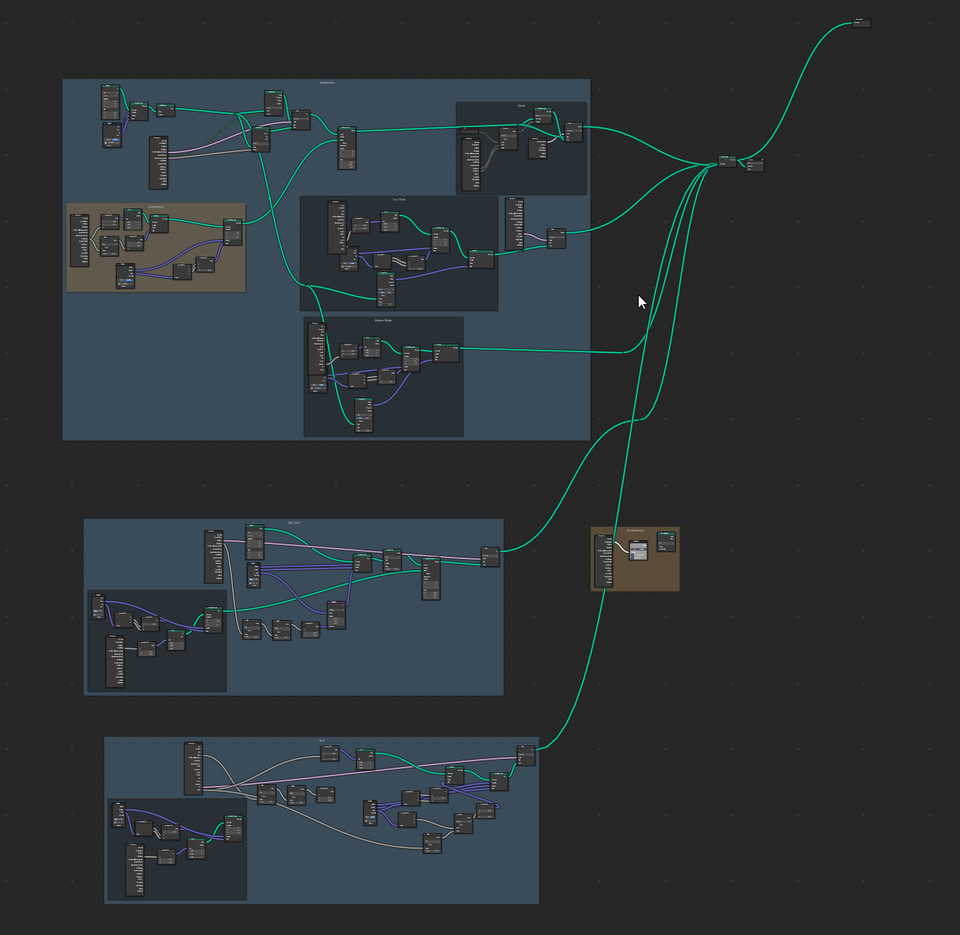
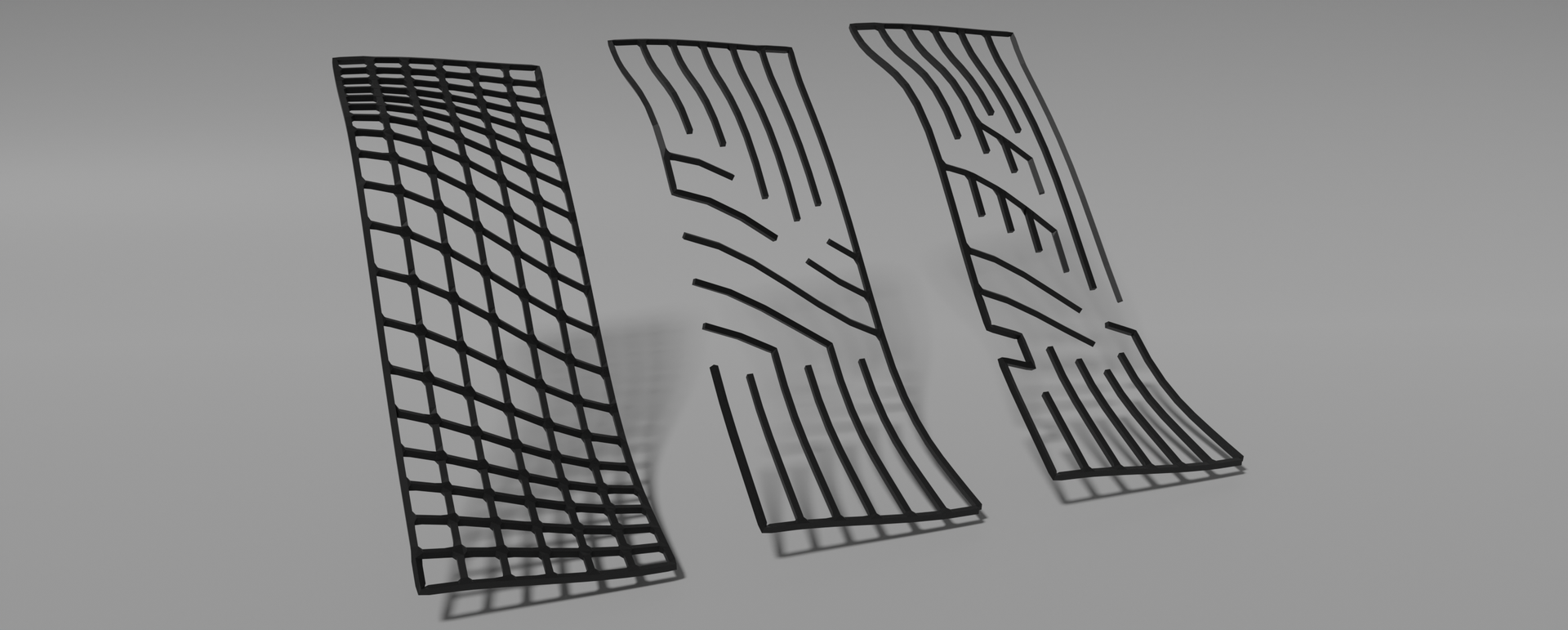
I was treating meshes as graphs, and deleting the faces off an OBJ leaves the edges, which is enough to run Kruskal's algorithm on.
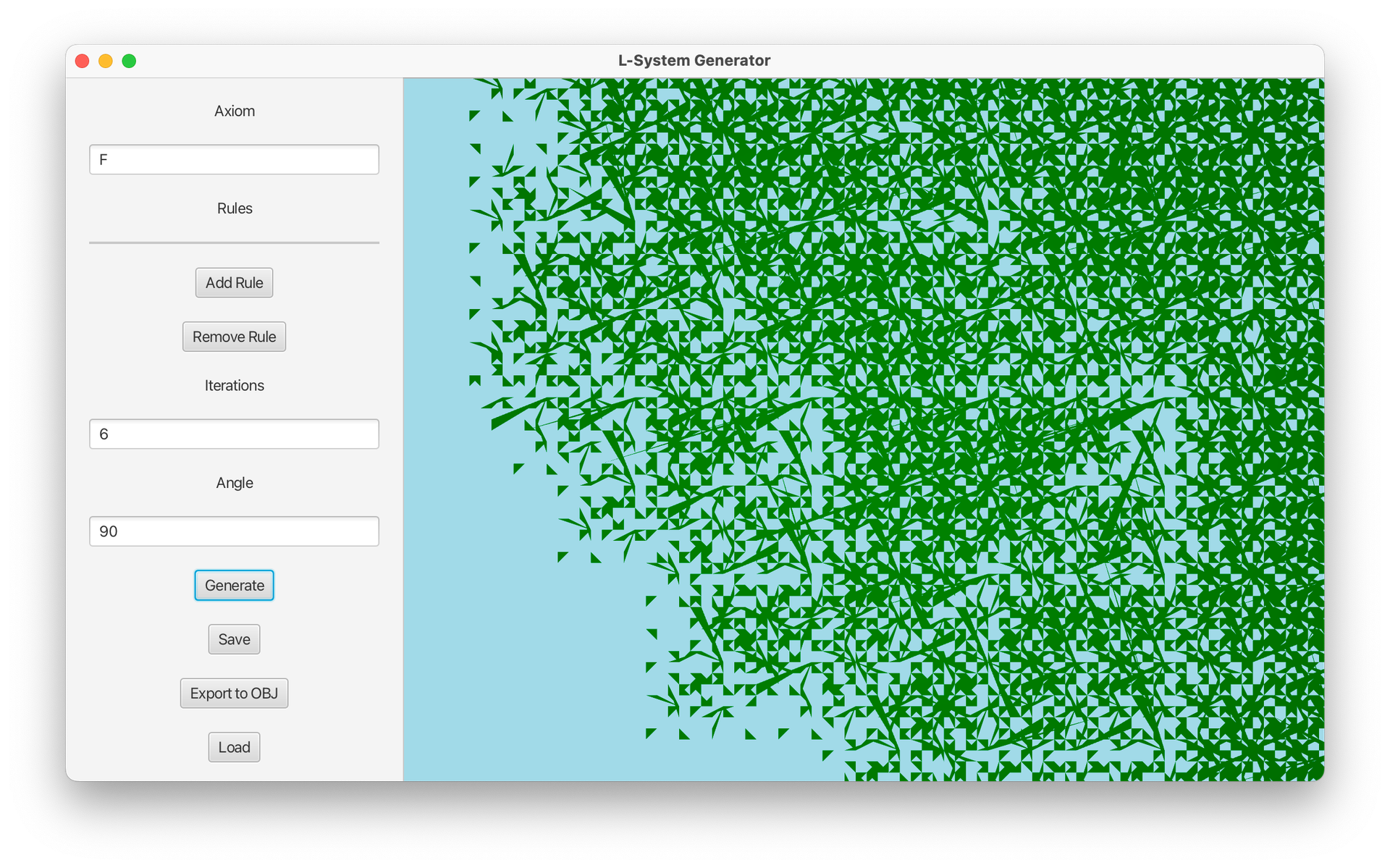
Source codeAn L-system editor: write the rules, set the angle and the iteration count, and watch a turtle turn the string into geometry.
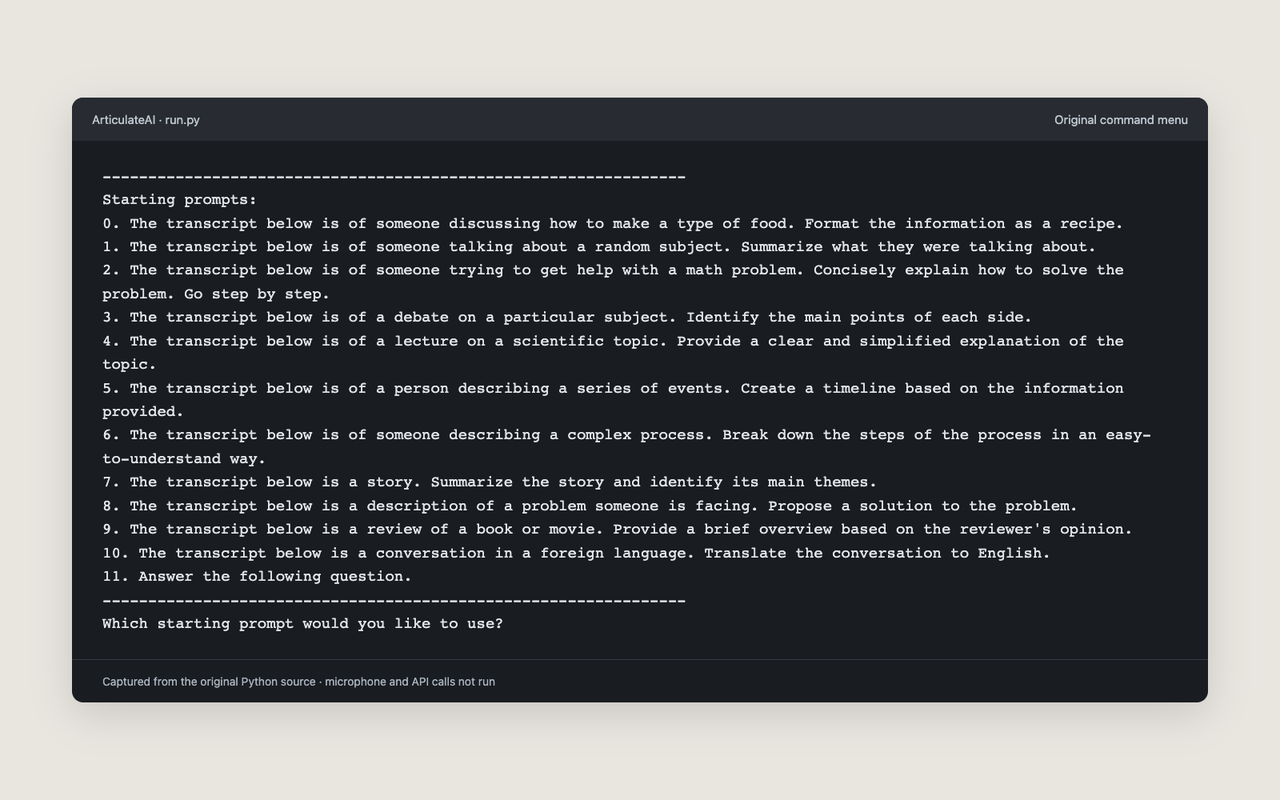
Source codeOne of my early voice experiments: record a clip, transcribe it with Whisper, send the transcript to GPT with a prompt, and optionally speak the reply.
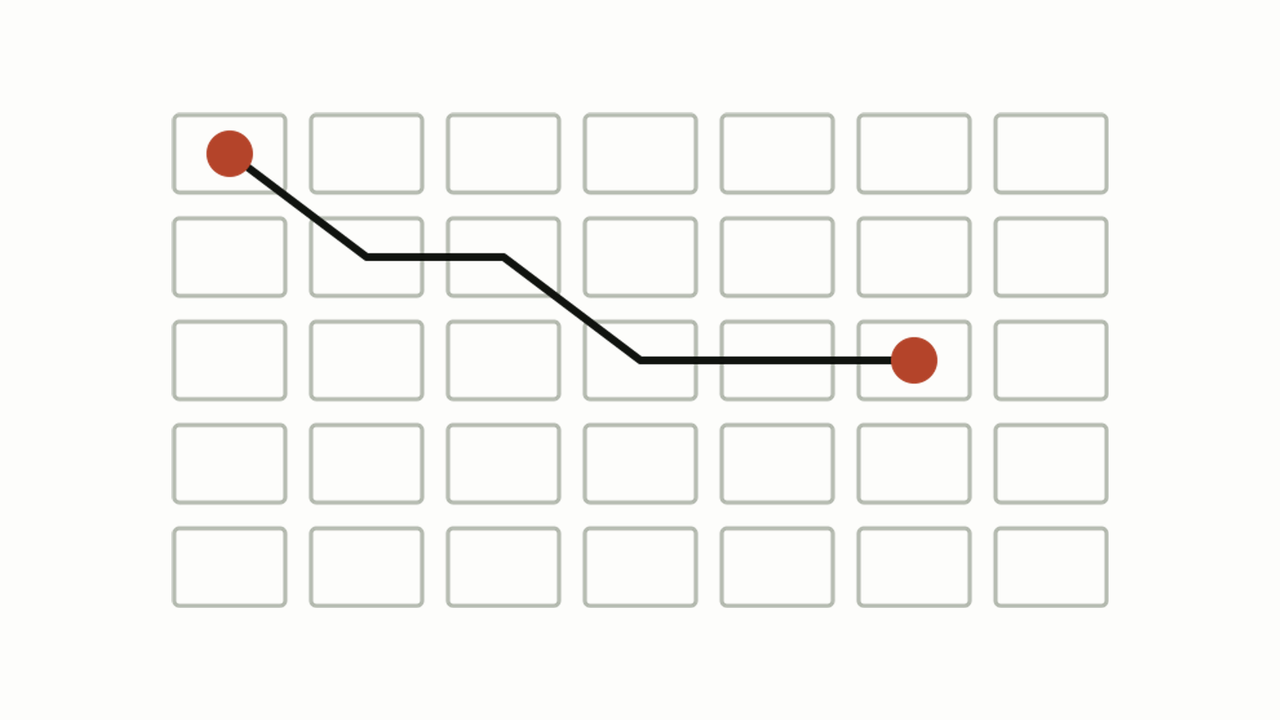
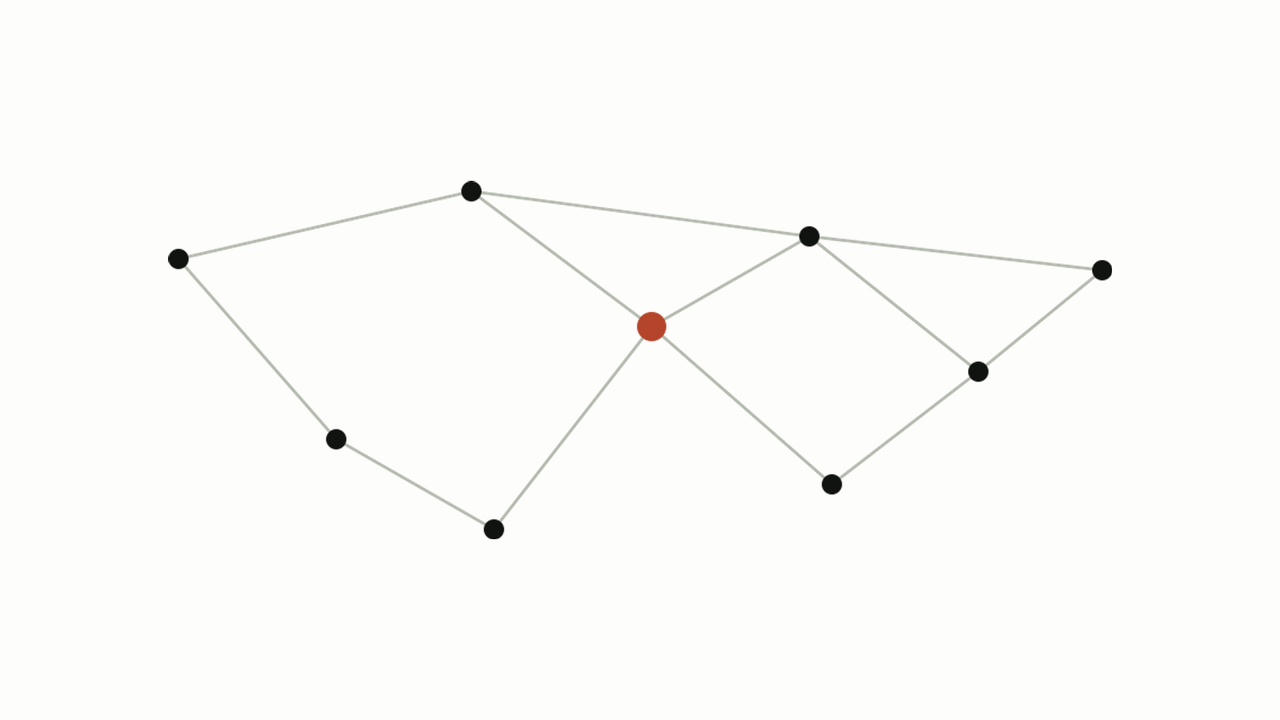
Source codeWellington's public transport as a graph, with route search and the stops whose removal would split the network.
A Discord bot for the OCE Echo VR community, which pulled league data into the server so nobody had to open a website for it.
Source codeSilveridge and I built a desktop tool for looking up the Echo VR players you're in a match with, and their league records.
Source codeNothing matches these filters. Try another tag, or show everything.